
The Allure of Risk: Understanding Gambler’s Mindset
The psychology of casino gambling is deeply rooted in the allure of risk and uncertainty. Gamblers often find themselves attracted to the thrill of the game, where the potential for significant reward is coupled with the possibility of loss. In this context, exploring online casinos can reveal how the environment amplifies these emotions. This unique blend of emotion can lead to both excitement and anxiety, making gambling an exhilarating experience for many. The brain’s reward system plays a crucial role in this process, releasing dopamine in response to wins and thereby reinforcing the desire to continue playing.
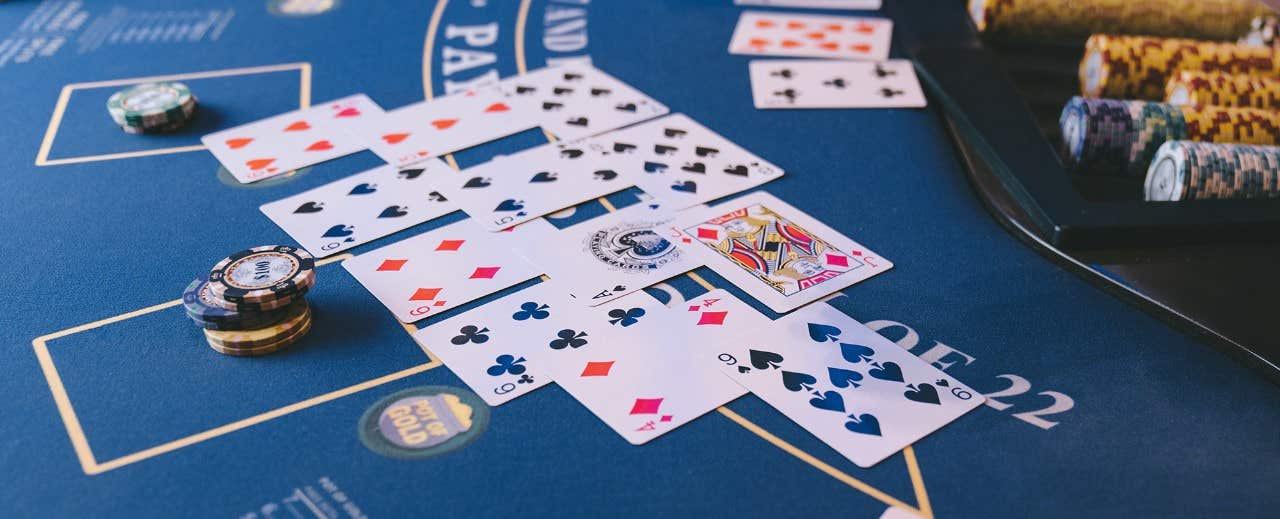
Moreover, cognitive biases, such as the illusion of control, further complicate gamblers’ decision-making. Many individuals believe they can influence the outcomes of games through skill or strategy, despite the inherent randomness of casino games. This belief can lead them to engage in gambling behaviors that may not align with rational decision-making, perpetuating a cycle of continued play even when faced with losses.
Social Influences and Gambling Behavior
Social factors significantly impact gambling behavior, with peer influences and social environments shaping decisions. For many, casinos serve as social spaces where individuals gather to share experiences, creating a communal atmosphere that enhances the excitement of gambling. The presence of friends or other players can encourage individuals to take risks they might avoid when alone, fostering an environment ripe for impulsive behavior.
Additionally, cultural attitudes towards gambling can influence individual behaviors. In some societies, gambling is celebrated and integrated into social practices, while in others, it may carry a stigma. This cultural backdrop can affect how individuals perceive their gambling habits and the decisions they make, often leading to varied gambling participation levels across different communities.
The Role of Emotion in Gambling Decisions
Emotion plays a pivotal role in gambling choices, with positive feelings often driving individuals towards the casino environment. The excitement of potential winnings, the anticipation of a big payout, and the enjoyment of the gaming experience itself can cloud judgment and lead to impulsive actions. On the other hand, negative emotions such as stress or loneliness can also propel individuals toward gambling as a coping mechanism, creating a complex interplay between emotion and behavior.
Research suggests that the experience of winning can accentuate these emotions, creating a feedback loop where positive experiences encourage further gambling. Conversely, repeated losses may lead to frustration and desperation, causing gamblers to chase their losses in an attempt to recapture earlier successes. This emotional rollercoaster underscores the psychological complexity of gambling behavior.
Neuroscience Behind Gambling Addiction
The intersection of neuroscience and gambling behavior sheds light on the addictive aspects of gambling. Studies have revealed that frequent gamblers exhibit changes in brain function similar to those seen in individuals with substance use disorders. The release of dopamine during gambling can lead to heightened cravings and compulsive behaviors, making it difficult for individuals to resist the urge to play, despite negative consequences.
Understanding the neurological underpinnings of gambling addiction is crucial for developing effective interventions. Treatments often focus on cognitive-behavioral approaches that address the thought patterns associated with gambling, alongside strategies aimed at managing emotional responses. Continued research in this area is vital for understanding the mechanisms of gambling addiction and providing support to those affected.

Finding Resources and Support
As individuals navigate the complexities of gambling behavior, access to information and support is essential. While some resources may currently be restricted, platforms aimed at providing valuable content can help users understand the nuances of gambling psychology and its implications. These resources often focus on educating individuals about the risks of gambling and promoting responsible gaming practices.
For those seeking assistance, reaching out for help from support groups or mental health professionals can be a critical step in addressing gambling-related issues. Awareness and education are key components in fostering healthier gambling behaviors and mitigating the potential risks associated with casino environments.